Sechenov University develops Russia's first cell-based drug for advanced melanoma
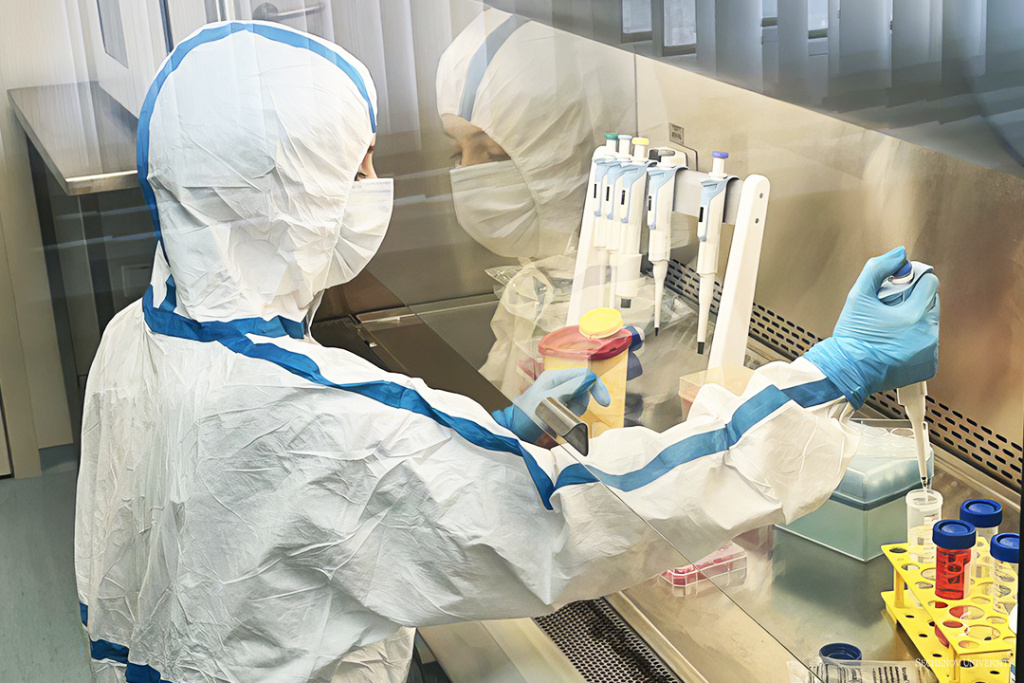
Scientists from the Institute of Personalized Oncology and the Institute of Regenerative Medicine at Sechenov University are developing an innovative TIL therapy. This approach uses the patient's own immune cells to fight malignant tumors.
This is made possible by activating the body's natural immune defenses to combat cancer. The process involves isolating specific immune cells—T-lymphocytes—from the removed tumor. The most active of these cells are selected, multiplied in specialized cleanroom facilities, and then infused back into the patient's body.
TIL-therapy is planned for use against tumors that are difficult to treat with conventional methods, such as melanoma. Future plans include adapting this technology to treat bladder cancer, lung cancer, and other oncological diseases.
"Malignant cells are heterogeneous and have different targets, which is why it's difficult to destroy them completely, even using targeted drugs. The T-lymphocytes extracted from the tumor are already familiar with it and carry multiple 'arrows' for different targets. The problem was that there simply weren't enough of them. We believe that returning these cells to the body in the necessary quantity will enhance the natural anti-tumor defense," explained Professor Marina Sekacheva, Director of the Institute of Personalized Oncology at Sechenov University.
Preclinical trials of Russia's first cell-based drug for melanoma treatment are scheduled to begin in the summer of 2026. By 2027, under the hospital exemption framework, the treatment could become available to the first patients.