
Sechenov University researchers to create 3D cellular model of liver tumor to uncover cancer vulnerabilities
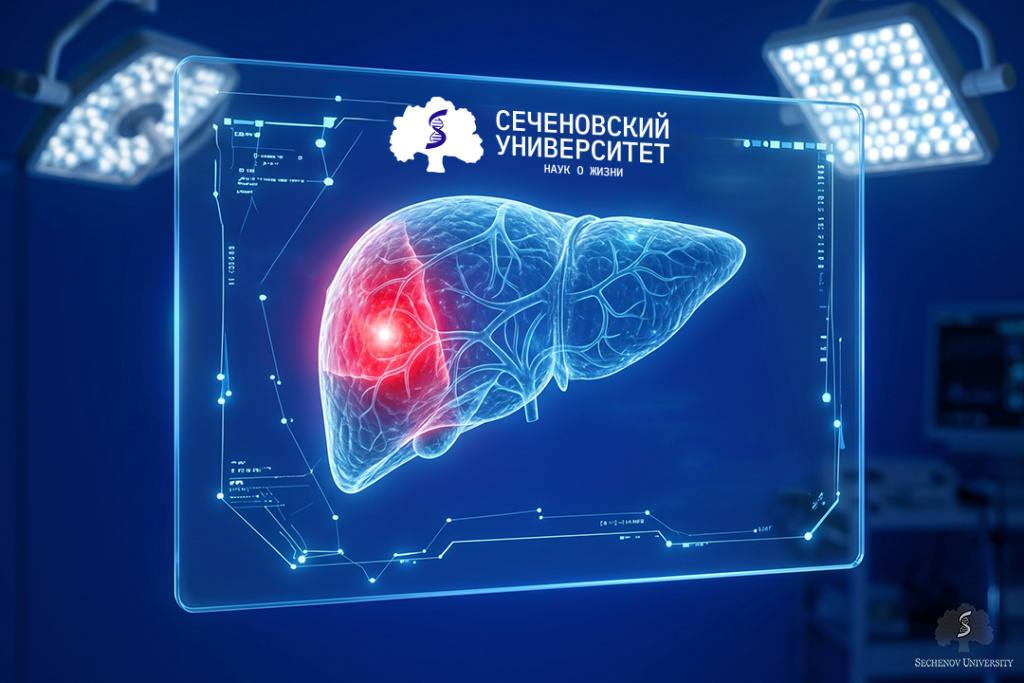
Researchers at Sechenov University, together with colleagues from Iran’s Royan Institute, are embarking on a project to develop a 3D model of the liver tumor microenvironment. Using biophotonics and artificial intelligence, they will study the metabolism of cancer cells. The research is supported by a grant from the Russian Science Foundation.
Hepatocellular carcinoma is one of the most aggressive forms of liver cancer, characterized by high recurrence rates and poor response to standard therapy. The research team believes that one of the reasons is the presence of so‑called stem‑like cells – a small subpopulation that possesses stem cell properties: unlimited self‑renewal, differentiation into various tumor cell types, and enhanced therapy resistance, which is linked to relapse.
As part of the project, the team plans to investigate the metabolic states of these cells in conditions as close to physiological as possible. They will use 3D organoids that replicate key features of tumor tissue, such as cellular heterogeneity and spatial organization. These organoids can be supplemented with microenvironment components (e.g., fibroblasts) to achieve more complete modeling.
“Our results could ultimately form the basis for a personalized approach to liver cancer therapy. AI algorithms and metabolic imaging will help identify the most aggressive and therapy‑resistant cell subpopulations within a patient’s tumor, and the small interfering RNAs selected in the project will serve as a foundation for developing new drugs aimed at reducing the tumor and preventing recurrence,” explained Daria Kuznetsova, Head of the Laboratory for Omics and Regenerative Technologies.
The metabolic state of cells will be analysed using FLIM microscopy (Fluorescence Lifetime Imaging Microscopy), an optical imaging technique that indirectly determines which energy production pathway a cell is using at a given moment. This allows researchers to see differences between cell subpopulations without damaging them.
To test the role of specific genes in tumor cell resistance, the team will use small interfering RNAs (siRNAs) that can “turn off” selected genes, enabling observation of the effects on cell viability and adaptability. This approach will help identify potential metabolic vulnerabilities of the tumor.
Additionally, the project will employ artificial intelligence and computer vision tools to automatically recognise cells with enhanced resistance and analyse how they are distributed within the tumor tissue.