
Sechenov University launches the final MSK-2 experiment on the ISS — sending a living cartilage model to orbit
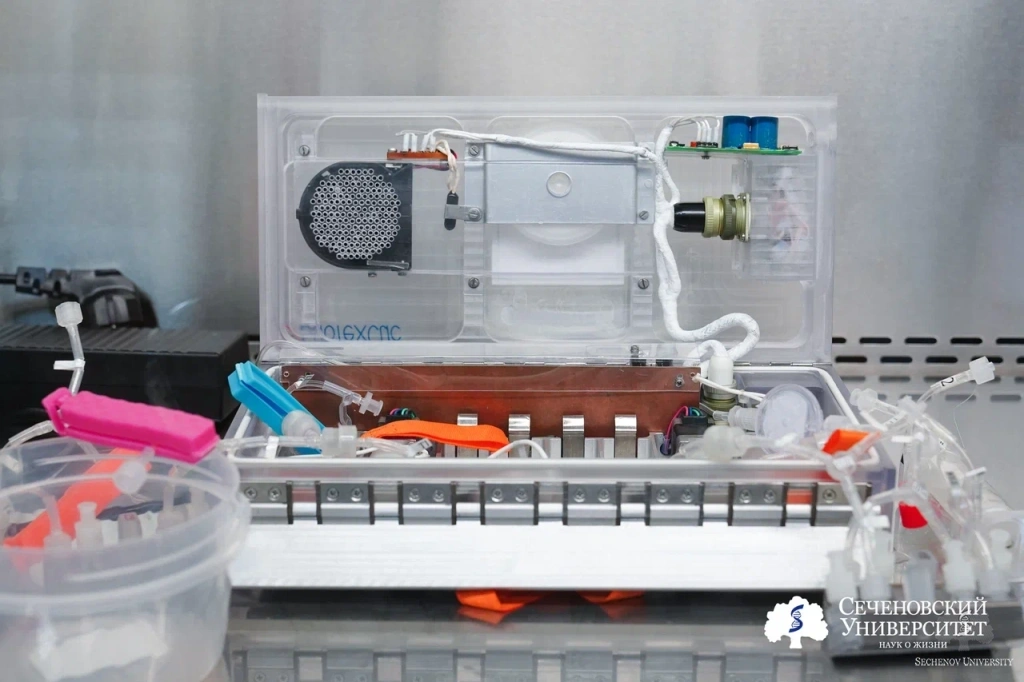
Sechenov University researchers have started the final stage of the MSK-2 space experiment on the Russian segment of the International Space Station, completing a multi-year research programme that began in 2019.
For this final run, the team is studying 3D chondrocyte spheroids (a living cartilage model) in a compact MSK-2 bioreactor developed together with BioTechSys. The bioreactor is designed to keep human cell samples viable for an extended period in microgravity by maintaining controlled conditions and nutrient supply.
A key focus of the final experiment is a practical “countermeasure” test: cartilage models are compared in two groups — control samples and samples treated with lactoferrin. Researchers will evaluate whether lactoferrin helps sustain metabolic activity and protect the extracellular matrix, which is critical for cartilage integrity.
Why this matters: microgravity affects the musculoskeletal system. When tissues lose normal mechanical loading, cartilage metabolism may decline and degenerative processes can be triggered. Understanding these mechanisms — and testing potential protective approaches — is essential for long-duration missions, while also generating insights relevant for osteoarthritis research and tissue engineering on Earth.
Next, once the bioreactor returns, the team will analyse tissue morphology, metabolic parameters and extracellular-matrix status to quantify microgravity-driven changes and assess the protective effect of lactoferrin.